
Written Management Systems
Environmental Management System (EMS)
The Permitting Company create bespoke Environmental Management Systems to existing operators of waste management facilities who are looking to vary their permit which might trigger the requirement to revise their existing one, as well as operators who are wanting to apply for a new Environmental Permit and are required to operate in line with a written management system that identifies and minimises risks of pollution.
The Permitting Company also amend existing EMS’s for operators where their written management systems are outdated or does not reflect the site due to layout or operational changes, or as requested to do so by the Environment Agency due to having a potential or actual pollution event occur.
What is an Environmental Management System
An Environmental Management System is a requirement for all permitted waste sites that accept and process controlled waste.
This management system document focuses on minimising risks of pollution to air, water, and land from the activities undertaken under the permit.

Emissions that could have an adverse effect on the environment have become a common occurrence over the years, especially for sites that treat waste such as shredding, granulating, or crushing due to the increase in noise and airborne particulates that these operations can give rise to.
Operators are required to ensure full implementation of their written management plan at all times.
The Environment Agency will assess compliance with the EMS, and its implementation when auditing the site, and will assess the management plans when applying for or varying an existing permit. The EMS (often referred to as operating techniques or a working plan) is a procedural document that if developed and implemented correctly will ensure that local amenity and the environment is protected.
Environmental Management System Contents
The contents of the Environmental Management System will depend on the nature, scale, and risk of the operation.
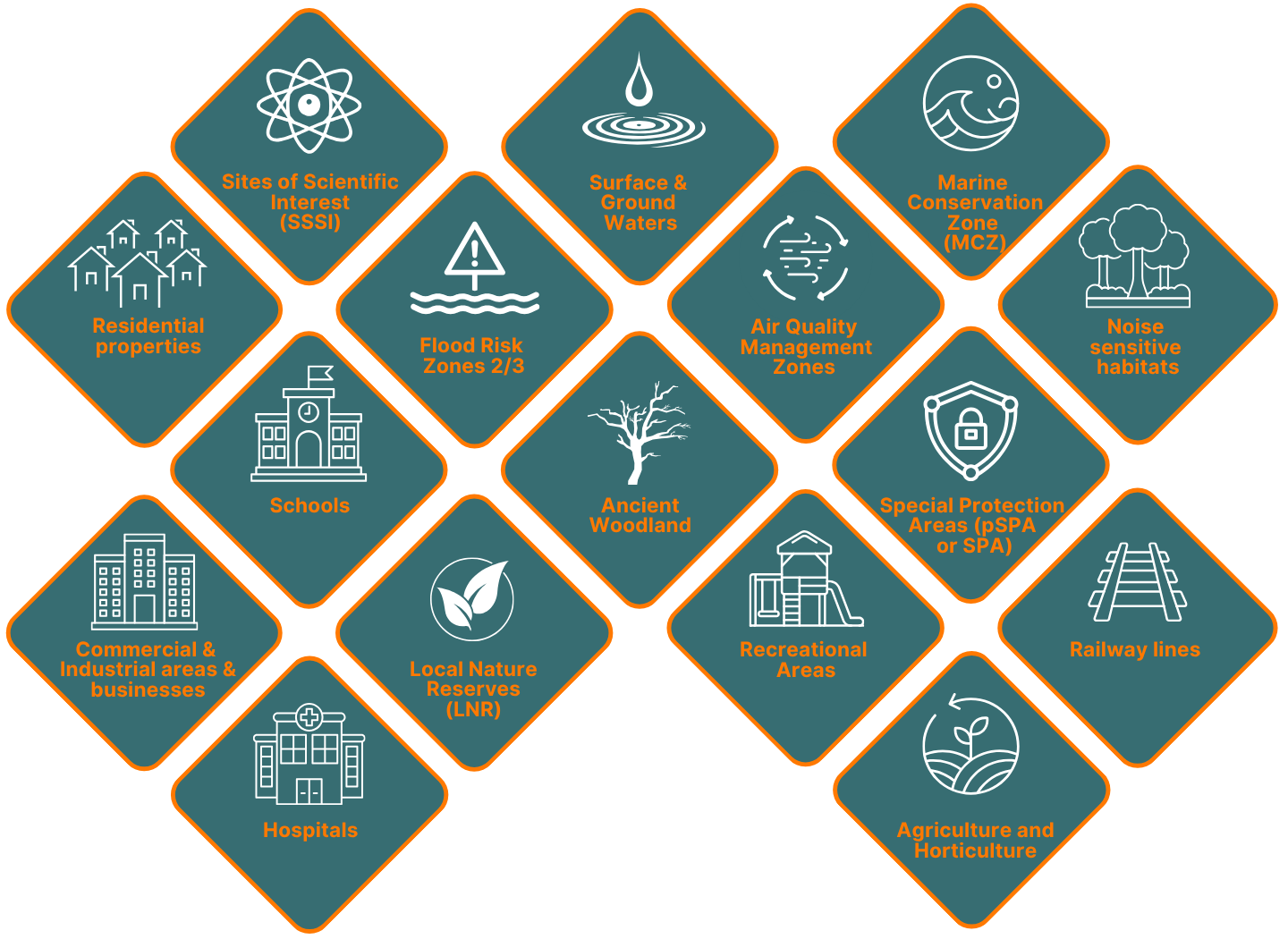
One of the biggest factors to consider when deciding on the control measures to implement are based on the sensitive receptors that could be effected by the site. The proximity to the receptors must be established as this will demonstrate how likely an emission is to reach the receptor.
Receptors include things such as:
Topics covered
The size and complexity of the written management system will also depend on the activities undertaken at the site. If the site was dealing with hazardous waste, odorous waste, dusty waste, etc, then a more robust management system will be required to manage these risks.
The typical contents included within an EMS are:

You need a plan for how you will maintain the infrastructure of your site and any machinery.
You must maintain any machinery according to the manufacturer’s or supplier’s recommendations (for example, following the instructions and guidelines of any manuals that came with your equipment).
You will need to record each time you carry out maintenance, for example, each time you check the calibration of monitoring equipment to make sure it meets the manufacturer’s recommendations.
Contingency plans
You need a plan for how you will minimise the impact on the environment of any:

Breakdowns of mobile and static plant on-site

Enforced site shutdowns

Any other changes in normal operations, for example due to extreme weather
Accident prevention and management plan
You need a plan for dealing with any incidents or events that could result in pollution or not being able to comply with your permit.
The plan must identify potential accidents, for example:
- equipment breakdowns
- enforced shutdowns
- fires
- vandalism
- flooding
- any other incident which causes an unexpected change to normal operations, such as extreme weather
For each potential incident, it must also state the:
- likelihood of the accident happening
- consequences of the accident happening
- measures you’ll take to avoid the accident happening
- measures you’ll take to minimise the impact if the accident does happen
Your accident plan must also include:
- the date it was reviewed
- when it will next be reviewed
- a list of emergency contacts and how to reach them
- a list of substances stored at your site, and your storage facilities
- forms to record accidents on
Climate Change Adaptation and Risk Assessment
If your permit is issued on or after 1 April 2023, you need to integrate climate change adaptation planning into your management system.
The plan must consider:

Higher average temperatures – particularly in summer and winter

More heat waves and hot days

Rising sea levels

Flood risks

Changes in rainfall patterns and intensity

More storms
It is important you consider if a changing climate could affect your operations, including how this might affect your ability to comply with your permit.
You will need to plan for negative climate impacts on how you operate now, during and after any transition to net zero. Include the associated risks to local communities and the environment.
These impacts and risks may change over the lifetime of the activity and plan for the impacts of multiple events, such as supply chain failure and extreme weather, happening at the same time.
The plan is to ensure your operations remain resilient at stages along a climate projection of at least a 2°C global mean temperature rise by 2050. Also, assess what further requirements may be necessary along a projected 4°C rise by 2100.
To anticipate and prevent risks to local communities and to the environment, plan to test the effectiveness of your:
• Actions • Policies • Procedures • Assessments
Complaints Procedure
You need a procedure that records:

Any complaints you receive in relation to activities covered by your permit (for example complaints from neighbours about noise, odour or dust from your site)

How you investigate those complaints

Any actions taken as a result of complaints
Staff Competency
Managing staff competence and training records. You need to have enough staff and resources to make sure the site is run effectively in order to comply with your permit. Your management system needs to explain who is responsible for what procedures and who is technically competent. For each of your managers, staff and contractors make a list of any roles they carry out that relate to activities covered by your permit.
You will also need a procedure to:

Check your staff and contractors have taken the training or qualifications required for the work they do.

Record any training, refresher training or qualifications taken by your staff or contractors.

If you have a permit for a waste, mining waste or installations permit you also need to look at legal operator and competence requirements.
Keeping records
You must keep any records required by your permit. In some cases the permit will tell you how long to keep a record for. Otherwise you must consider how long you’ll need to keep different records for (and write this in your management system).
You must record the following for each delivery of waste to your site:

Its quantity
(weight or volume)
Its List of Waste
(LoW) Code

Its origin (for example, the location the waste sent from)

The identity of the producer of the waste (for example the company name)

The date the waste arrives at your site

The date the waste was first produced

If the waste is likely to cause odour

Any quarantined materials that are part of the delivery

And what you did with them
You must also:

Keep records to show that you are meeting your duty of care requirements as a business that produces waste.

Comply with the site record and return requirements for hazardous waste.

Waste, mining waste or installations.

If you have a permit for waste, mining waste or installations you will need to have a site condition report to record the condition of land or quality of groundwater on your site.
You should keep this up to date through the life of your permit and include the following information:

Details of any historic spills or contamination (incidents that took place before you began operating) and what was done in response to those incidents.
Evidence of the effectiveness of any measures you have taken to protect land or groundwater since you started operating.

If you want to cancel (surrender) your permit you will need to show you have taken the necessary measures to avoid any pollution risk from your activities.

You also need to show that you have returned the site to a satisfactory state. This means that the condition of land and groundwater has not deteriorated as a result of your activities.
Staff Competency
Managing staff competence and training records. You need to have enough staff and resources to make sure the site is run effectively in order to comply with your permit. Your management system needs to explain who is responsible for what procedures and who is technically competent. For each of your managers, staff and contractors make a list of any roles they carry out that relate to activities covered by your permit.
You will also need a procedure to:
Any plans required by the application or permit depending on your type of activity (for example odour management plan at waste sites)
All operating procedures
Staff competence and training (for example qualifications, courses attended)
Emissions and any other monitoring undertaken (for example water samples)
Compliance checks, findings of investigation and actions taken
Complaints made, findings of investigation and actions taken
Audits of management system, findings (reports) and actions taken
Management reviews and changes made to the management system
Where applicable, certification audit reports and any actions carried out
You may also have to have to operate inline with other standalone management plans depending on the risk:

An odour management plan

An emissions management plan

A pests management plan

A noise and vibration management plan
Site Plans and Maps
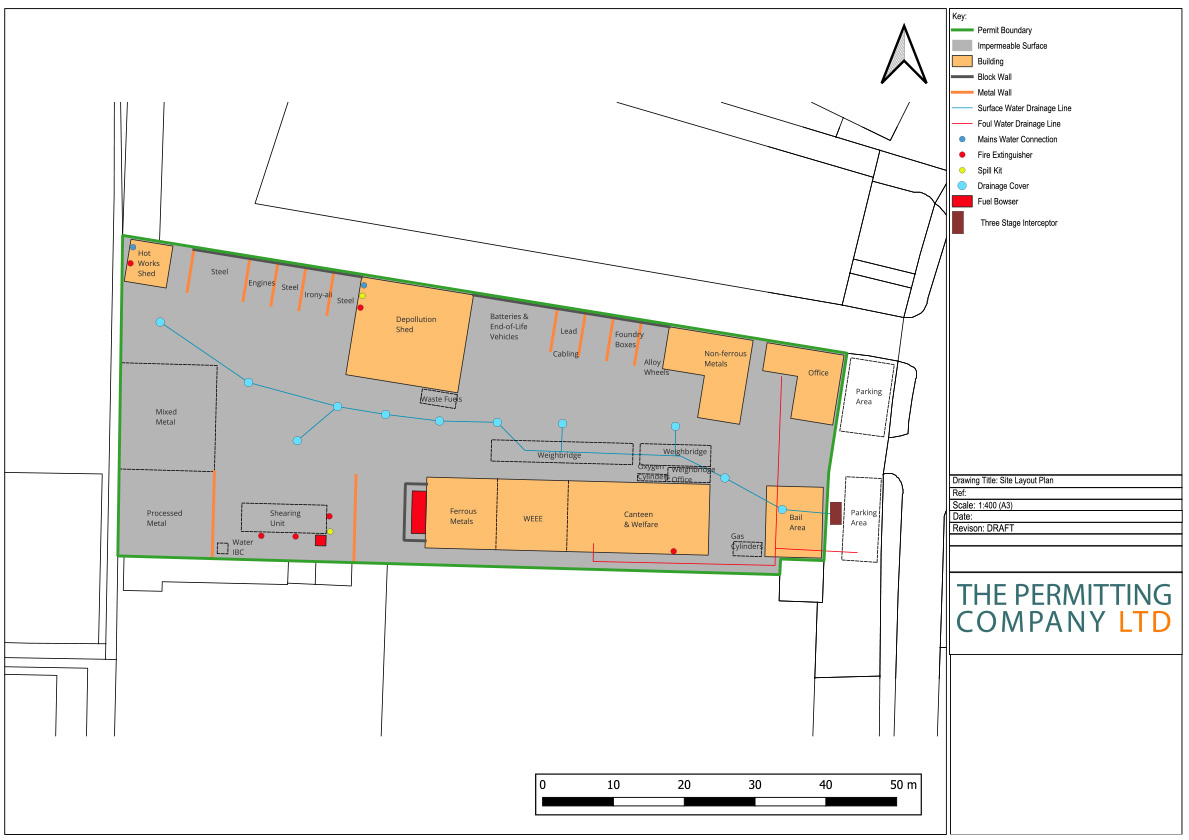
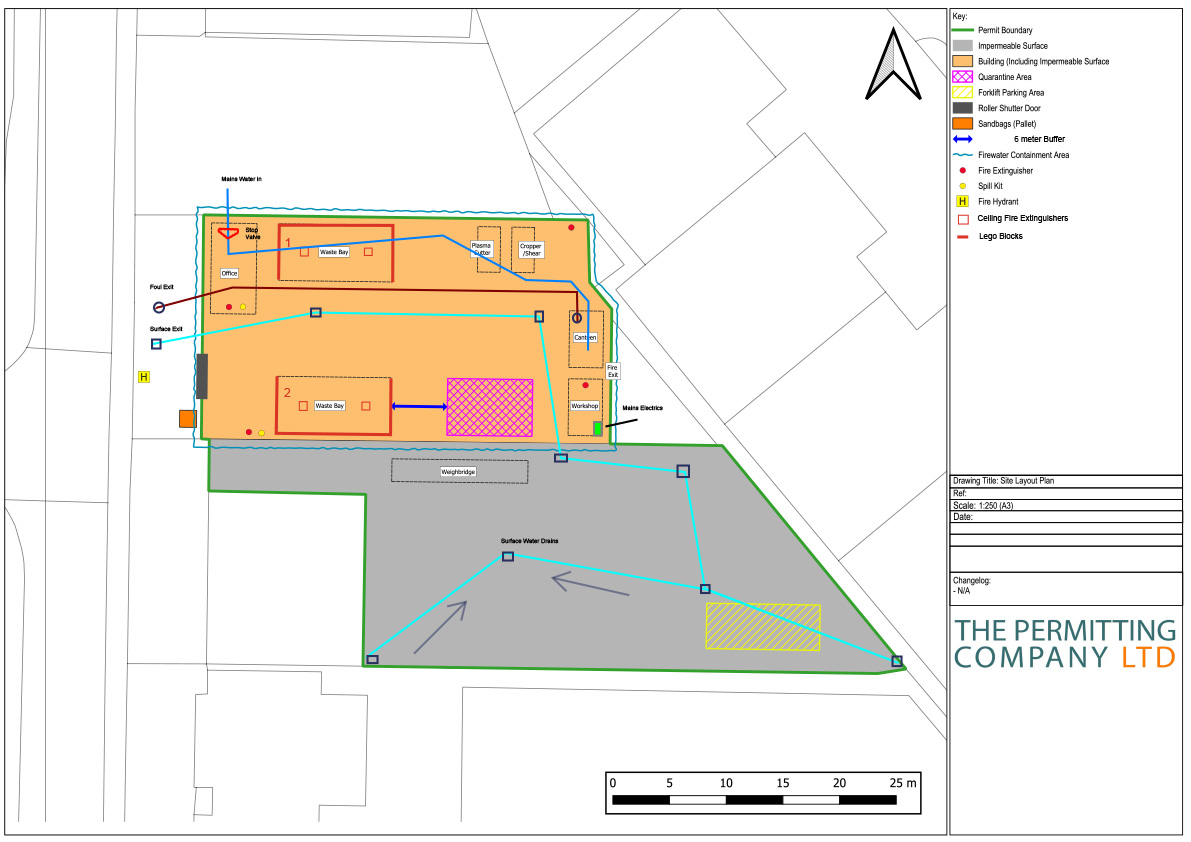
Prepare your site infrastructure plan
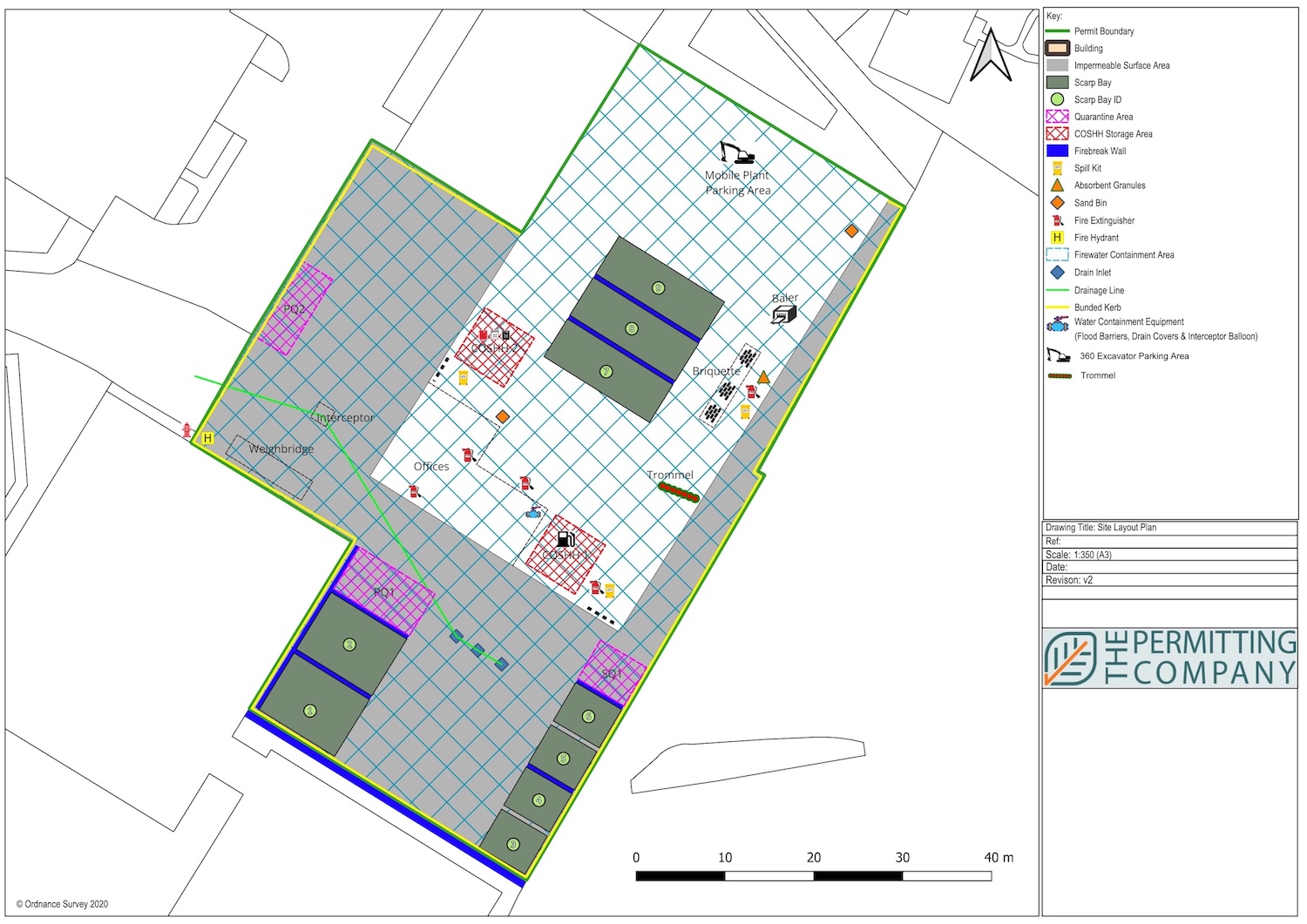
Your management system must include a plan of your site, drawn to scale. The plan must highlight where you do the activities covered by your permits (and any exemptions you have registered).
Site Plan
Your plan must also show any:
- buildings, and other main constructions, like treatment plants, incinerators, storage silos and security fences
- storage facilities for hazardous materials like oil and fuel tanks, chemical stores, waste materials
- location of items for use in accidents and emergencies, like absorbants for chemical spills
- entrances and exits that can be used by emergency services
- points designed to control pollution, for example inspection or monitoring points
- trade effluent or sewage effluent treatment plants
- effluent discharge points
- land that you believe is contaminated, for example areas of your site that have previously been used for industrial purposes
- Vulnerable locations
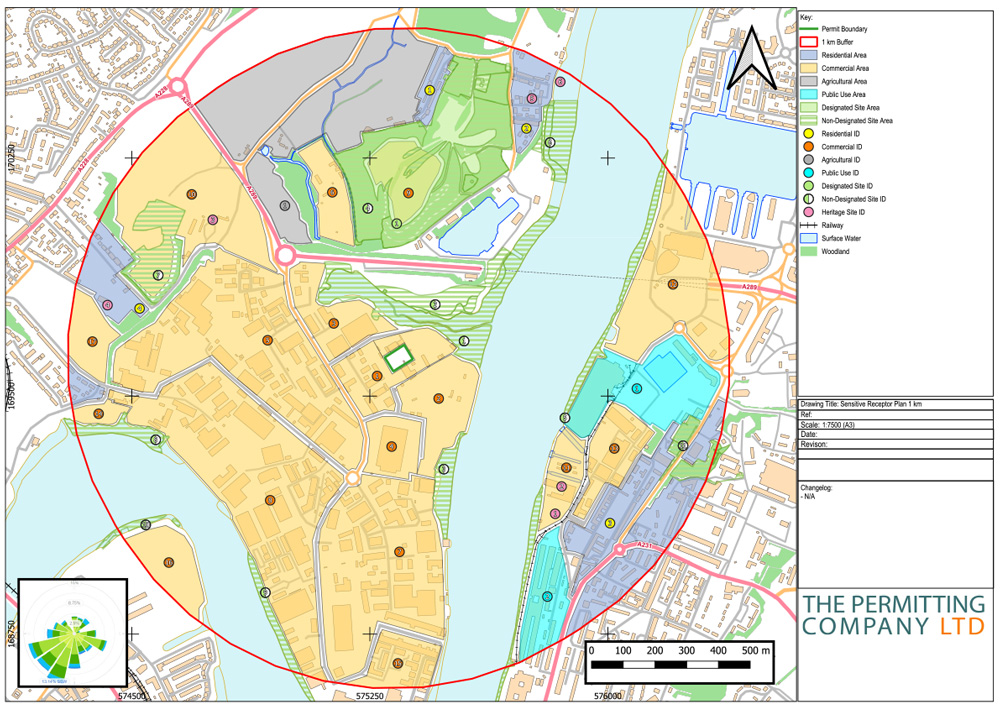
Receptor Plans
Your plan must also show areas particularly vulnerable to pollution that are on or near to your site, for example:
- rivers or streams
- groundwater used for drinking water
- residential, commercial or industrial premises
- areas where wildlife is vulnerable or protected
- Use the risk assessment guide to help you think about areas that are vulnerable to pollution.
Drainage
Your plan must show your foul and combined drainage facilities marked in red and your surface water drainage, facilities marked in blue.
It must also show:
- the direction of flow of the water in the drain
- the location of discharge points to the sewer, watercourse or soakaway
- the location of manhole covers and drains
- the location of stop and diverter valves and interceptors
- Water, gas, electricity
Utilities & Services
Your plan must show the location of mains water, gas and electricity supplies on your site, including:
- the mains water stop tap
- gas and electric isolating valves and switches
- the routes for gas, electricity and water supplies around your site – electric wiring and gas and water pipes must be labelled on the plan
Review Your Management System
You must have a procedure for checking you are complying with your permit, procedures and management system.
Record what checks are carried out, who did them and what
action was taken.
You must review and update your management system:

When you make changes to your site, operations or equipment that affect the activities covered by your permit
Whenever you apply to change (‘vary’) your permit
After any accident, complaint or breach of your permit
If you encounter a new environmental problem or issue, and have implemented new control measures to control it
You must keep a record of changes to your management system, particularly major changes such as:
A change to the maximum amount of waste stored on your site
A new noise screen
New waste treatment equipment, for example a Trommel
Implementation of new control measures
The Environment Agency may also review your management system and make recommendations for improvements after any accident, permit breach or otherincident. It may also ask you to improve your management system if it thinks you have not identified or minimised risks from pollution.
Ultimately the Environmental Management System must set out all the measures that will be taken to reduce the risk of a pollution incident occurring.
If the Environment Agency are not satisfied that the objectives have been met, then they can refuse to issue a permit.
Types of Applications we Complete
The Permitting Company have worked with many operators to get them a permit to operate a regulated waste management facility.
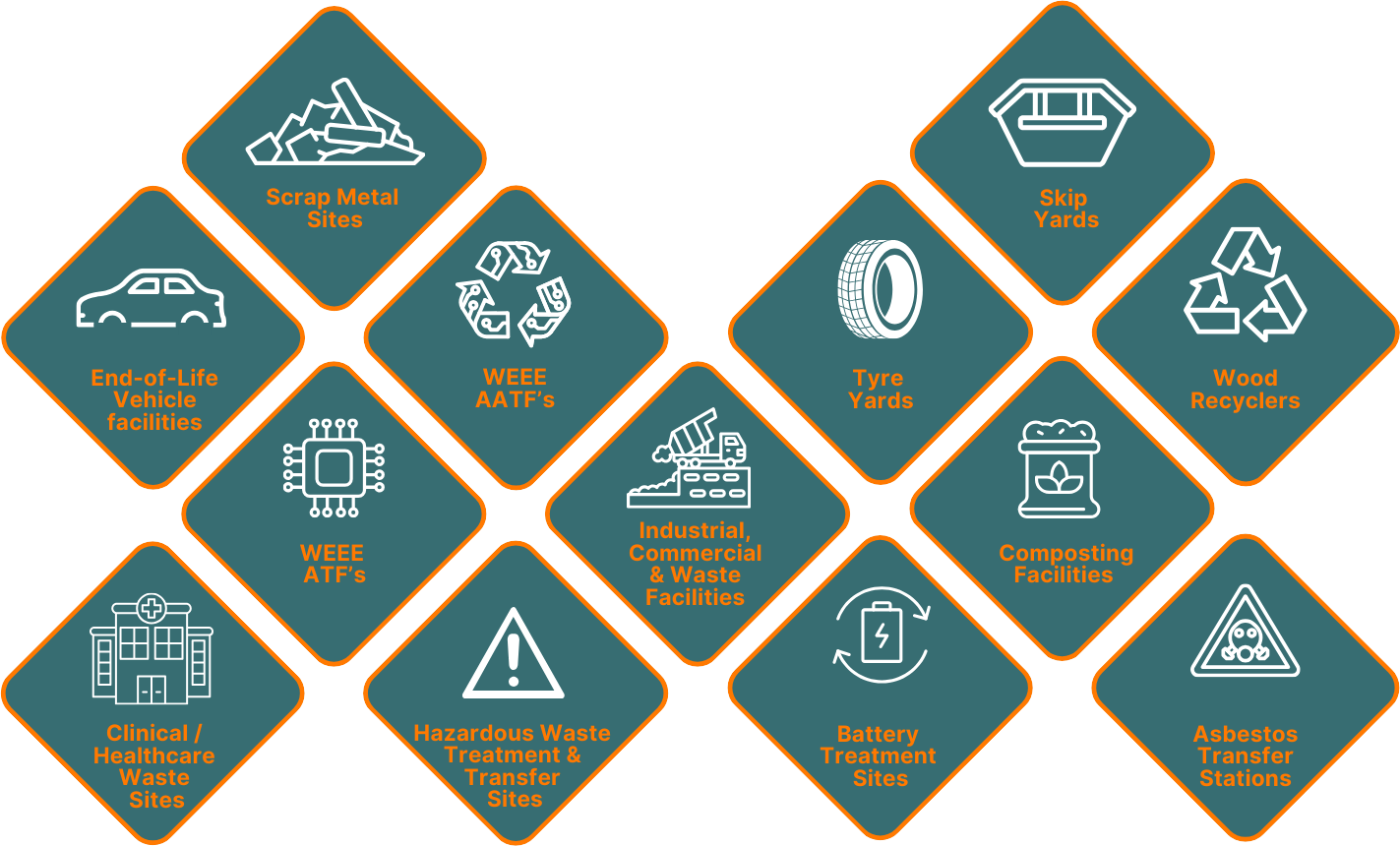
Some of the types of permits we have completed are:
Don’t just take our word for it, check out testimonials from our valued customers!
Our Services
The Permitting Company have a 100% success rate in getting Environmental Permits issued to operators.
All we need is your time in explaining your proposed activity and we will take care of the rest.
There are different Competent Authorities which are responsible for regulating waste management facilities and issuing Environmental Permits.
Depending on your location, following competent authority are:



The Permitting Company have worked with all the relevant Competent Authorities and understand the different application processes required to satisfy laws in each jurisdiction.
Fees
The Permitting Company are one of the most competitively priced permitting consultancies in United Kingdom.
Because every site and FPP is unique, there are no standard prices when it comes to developing these systems.
Please contact us for a no obligation discussion.